A Design Review of Little Miss Independent for Your Embroidery Project
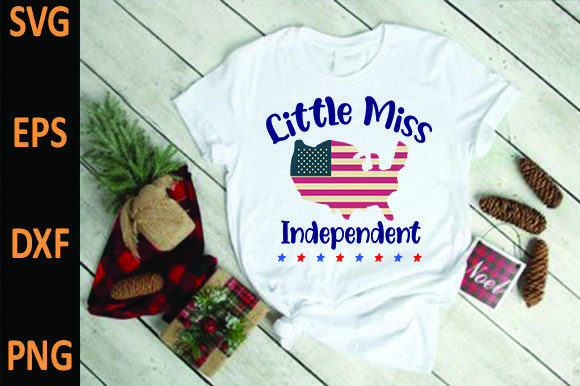
When I’m looking at a new design to bring into my embroidery work or to recommend for client projects, my first filter is always visual personality. Little Miss Independent hits you with a bold, celebratory mood right from the start. The typography has a confident, playful strength—it’s not overly delicate or fussy, which immediately tells me this design is built for statement pieces. The theme is clear and joyful, and the layout feels balanced for a clean, impactful stitch-out.
The Natural Habitat for This Patriotic Design
So, where does this design naturally belong? I picture it on a custom embroidered tote bag for a summer picnic, or centered on the back of a cozy sweatshirt. It has the scale and presence to be a focal point. For small business merchandise, think of it on high-quality aprons for a boutique kitchen shop or as a crisp patch on a denim jacket. The “Little Miss Independent” message paired with the 4th of July theme gives it a dual appeal—it’s perfect for holiday-specific items like holiday gifts or craft fair products, but also for everyday pieces celebrating personal spirit.
In a real-life scenario, imagine preparing a set of custom pillow covers for a client’s patriotic home decor. This embroidery design would be the hero element. I’d consider thread colors: perhaps a classic red, white, and blue scheme, but also testing a more muted, vintage palette for a softer handmade presentation. The design’s bold lines suggest it will stitch out with excellent clarity, adding perceived value to the finished product.
Where It Excels and Where to Tread Carefully
On robust fabrics like cotton totes, canvas aprons, or mid-weight sweatshirts, Little Miss Independent should perform beautifully. The typography likely translates well into satin stitch borders and clean fill stitch areas, creating a professional, polished look that boosts customer trust and brand consistency for a small shop product.
However, this is where practical judgment comes in. On more challenging surfaces, you need to plan. On curved surfaces like caps, the larger, sweeping letters could be fantastic, but you must confirm hoop size and stabilizer strategy. On thin or stretchy fabric, like a lightweight t-shirt, the stitch density needs to be assessed—too dense, and it might pucker; too light, and it loses impact. Always test on scrap fabric first.
Dark fabric backgrounds require careful thread color contrast planning. That transparent background PNG file is invaluable here; use it to create black and white mockups to preview the design’s silhouette. Also, inspect the small details in the lettering corners. For products needing frequent washing, like baby clothes or kitchen towels, ensure the design isn’t so dense that it compromises fabric integrity.
The Real-World Stitch: From Digital File to Finished Product
Moving from the digital embroidery file to a physical embroidered patch or apparel decoration requires a few mental checkpoints. The provided file formats—SVG, PNG, DXF, EPS—offer great flexibility. For machine embroidery design work, you’ll be converting or using these as a guide. This versatility makes Little Miss Independent a strong design asset for both personal and commercial embroidery projects.
Think about application. Embroidered on a baby blanket, it becomes a heartfelt, personalized gift. On a tea towel, it’s a fun, functional kitchen piece. For an Etsy seller focusing on holiday embroidery, this design could be a seasonal staple in listings. Its visual appeal is direct and engaging, which helps with buyer engagement—customers recognize the mood instantly.
Practical Notes for the Working Designer and Maker
Here’s my friendly, realistic advice for putting Little Miss Independent into action. Before committing to a client’s wedding gift or a batch of boutique products, do that scrap fabric test. Check how the design scales—does it retain its character in a smaller hoop size for a delicate baby item, or does it need the space of a tote bag to truly shine? Review the stitch density by looking at the design’s visual weight; areas that look solid in the graphic might require careful fill stitch management.
Fabric texture plays a huge role. On a textured linen pillow cover, the design will have a lovely handmade charm. On a smooth, shiny cap, it will look crisp and commercial. Always use the proper stabilizer for the base material; it’s the unsung hero of a clean stitch-out.
A crucial, often overlooked step: confirm licensing before selling finished items or digital products. The product description states this is a digital download for graphics, but always verify the specific terms for commercial use of the finished embroidered product. This protects your craft business and your client relationships.
The Final Impression: A Design Built for Confidence
Little Miss Independent strikes me as a design that encourages confident embroidery. It’s not a niche, intricate piece; it’s a bold statement ready for transformation into a physical product. Its strength lies in its clear theme and layout, making it a reliable choice for a holiday gift, a small business merchandise line, or a personalized project.
For the embroidery designer, small business owner, or crafter, this design offers a straightforward path from digital preview to a valued handmade product. It fits the ethos of creative entrepreneurs who want designs that stitch well, look professional, and resonate clearly with customers. In my judgment, based on real-use thinking, Little Miss Independent is a graphic poised to become a standout element on your next embroidery project, whether it’s a custom apparel piece for a client or a new listing in your Etsy shop.