A Camera Embroidery Design With Real Charm
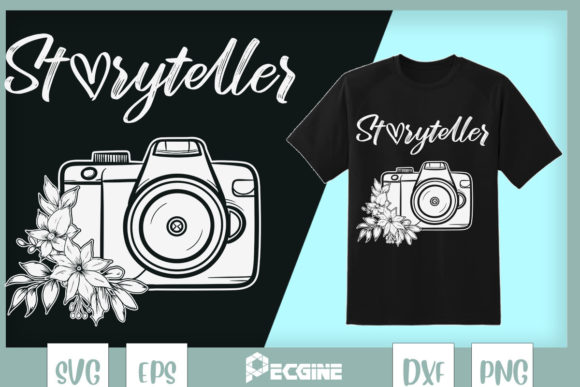
When a design lands in my library, the first thing I do is imagine it stitched out. Not as a perfect digital preview, but as a finished product, held in someone’s hands. With the Storyteller Camera Photography design, that mental process was immediately vivid. It’s not just a graphic; it’s a theme with a built-in narrative. The vintage-style camera illustration feels approachable and nostalgic, not overly technical. This isn’t a design for gear-heads, it’s for memory-makers, for anyone who values moments. The layout has a friendly, slightly whimsical personality that suggests craft, not corporate branding. My instinct was that this belongs on something tactile and personal—a tote bag for a photographer friend, a cozy sweatshirt for a creative, or a pillow cover in a cozy reading nook.
Where This Design Finds Its Natural Home
This design’s strength is its versatility within a specific emotional lane. I picture it working beautifully on a natural canvas tote bag, becoming a statement piece for a small shop selling handmade goods. On a heavyweight cotton sweatshirt, it would feel warm and authentic. For personalized gifts, imagine it on a linen apron for a baking enthusiast who also loves documenting their creations, or on a high-quality tea towel in a kitchen that’s always full of life. It has that boutique product feel. As an embroidery file for baby items, I’d lean towards a blanket or a wall hanging in a nursery-themed around adventure and creativity, rather than on tiny, stretchy baby clothes where the detail might get lost.
For a craft business or Etsy seller, this design is a solid commercial embroidery asset. It could anchor a line of products for creative entrepreneurs—embroidered patches for camera bags, simple pillow covers for home decor listings, or even as a focal point on a journal cover for a printable mockup. The theme is recognizable and engaging, which helps with buyer connection. It doesn’t scream “fast fashion”; it whispers “handmade with a story,” which builds customer trust and adds perceived value to the finished product.
The Practical Stitching Considerations
Moving from concept to hoop, the design’s detail level prompts some realistic planning. The camera body, lens elements, and the “Storyteller” text involve areas that will likely use satin stitches and fill stitches. On light-colored fabrics like cream canvas or heather grey cotton, the contrast will be stunning. However, embroidering this on a black or very dark sweatshirt would require careful thread color selection—you’d want a palette that pops, not one that gets muddy. The small lettering in “Storyteller” is a point to watch. Before running it on a client’s garment, I would always test that section on scrap fabric first to ensure stitching clarity and to check if any adjustments to stitch density are needed for the fabric type.
For textured fabrics like linen or thick cotton, the design will hold up well with proper stabilizer. On stretchy fabric like a standard t-shirt, you’d need a more robust stabilizer strategy to prevent distortion, especially around the circular lens details. A curved surface like a cap presents a challenge; the design is relatively wide and might not suit smaller front-panel caps without significant scaling down, which could compromise the lovely details.
Scenarios Where I’d Use a Gentle Hand
Some projects demand a more cautious approach. If you’re thinking of a small hoop size for a delicate item like a handkerchief or a child’s dress, the intricate parts might become too dense. Tiny, detailed corners in the camera illustration could turn into a puckered mess on thin fabric without perfect stabilization. For products destined for frequent, hard washing—like a work apron or a daily-use kitchen towel—consider simplifying the color count or using robust thread to maintain longevity. The design, while charming, isn’t a minimalist single-line sketch; it has substance, so it needs a foundation that can support it.
For layered garments with pockets or seams, placement is key. You’d want a flat, unobstructed area. The value of this embroidery design shines when it’s presented cleanly. A messy execution on a difficult fabric would undermine the handmade presentation and brand consistency you’re aiming for, whether for a gift or for your small shop merchandise.
Designer Notes for a Smooth Project
My standard process for a design like this involves a few non-negotiable steps. First, always test it on a scrap of the actual fabric you plan to use, not just ideal practice material. This reveals truths about thread color contrast and how the stitch density interacts with the fabric’s texture. Second, check your hoop size. Ensure the design dimensions fit comfortably within your available hoop, allowing for clean edges. Inspect the small details in the digital embroidery file preview—are there any tiny gaps or overlapping points that might cause jump stitch issues?
I also recommend testing the concept in black and white mockups. How does it look as a silhouette? How does it feel on a light versus dark background? This helps visualize it for different product lines. Finally, and crucially, confirm the licensing terms included with the files. The product listing includes SVG, PNG, DXF, and EPS files, which is great for flexibility. But before selling finished items or using it as a commercial embroidery asset in your craft business, you must verify what the license permits. Don’t assume; check. This protects your business and your customer’s trust.
The Final Impression: More Than a Graphic
The Storyteller Camera Photography design succeeds because it offers more than just shapes to stitch. It offers a mood. In real-life embroidery situations—from a custom apparel project for a client to a holiday gift for a family member—that mood translates into a product that feels considered and special. It doesn’t look like a stock image slapped onto fabric; it looks like an intentional, embroidered piece. For apparel decorators and makers, that’s the difference between a quick job and a valued product. It affects visual appeal directly; a well-stitched version has clarity and charm.
For the digital product seller, these multi-format files are useful design assets for creating printable mockups and previews. For the hobbyist making a personalized gift, it provides a pathway to a truly memorable item. Its giftability is high—it’s personal without being overly specific. In the end, my judgment as a designer reviewing it for real project use is positive. With practical preparation—attention to fabric, stabilization, thread, and licensing—this design can move from a digital file to a finished product that tells its own story beautifully.