Dates & Coffee: A Crescent Embroidered Design Review
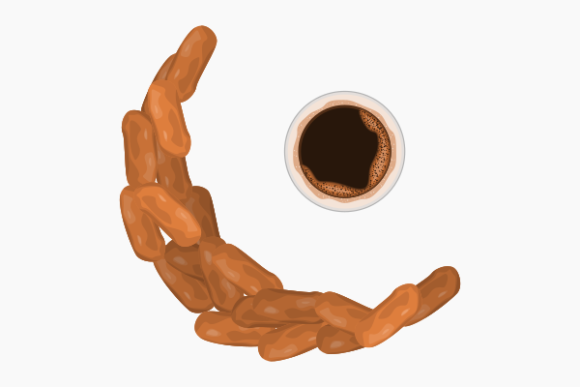
As a designer who regularly evaluates files for real client projects, I look at an embroidery design from a practical, stitch-first perspective. When considering the Dates Fruit in Crescent Shape and Coffee design, my immediate thoughts aren't about the digital file, but about how it will look once thread meets fabric. This design presents a unique and evocative theme, and its success hinges on thoughtful application.
The Immediate Visual Mood and Potential
The first impression is strong. The crescent arrangement of dates paired with a coffee cup creates a warm, communal, and culturally rich mood. It feels intimate and celebratory. This isn't a generic holiday graphic; it's a specific illustration that speaks to tradition, sharing, and a moment of rest. The layout is balanced, with the crescent shape offering a natural, flowing line that can guide the eye beautifully on a finished product. The detail level appears manageable—not overly dense, but with clear shapes that should translate well into satin stitches for the dates and fill stitches for the cup. Its visual personality is gentle and symbolic, making it naturally belong to projects meant as gifts, heirloom items, or boutique merchandise with a story.
Where This Design Would Stitch Its Best
Imagine a client requests a custom embroidered pillow cover for a Ramadan gift. This design would be a perfect fit. The theme is directly resonant, and the soft curves of the crescent would complement the pillow's form. Similarly, for a small shop owner creating a line of tea towels or aprons for a cultural market, this design adds authentic value. It would also work beautifully as a central motif on a tote bag for a community event, or as a subtle, meaningful addition to a baby blanket intended as a welcome gift. For Etsy sellers in the personalized gift niche, it offers a design that feels both custom and universally understood within its context. The design is not overly large or complex, making it suitable for mid-sized hoops, likely fitting well on adult caps or the chest area of a sweatshirt.
Practical Performance on Real Products
In real-life embroidery, the success of Dates Fruit in Crescent Shape and Coffee depends on mindful execution. On custom apparel like t-shirts or sweatshirts, using a proper stabilizer is key to maintaining the design's clarity on stretchy fabric. The crescent shape, with its smooth curve, should stitch out cleanly, but on a curved surface like a cap, you might need to adjust the placement slightly to keep it visually centered. For embroidered patches, this design could become a standout item—the theme is recognizable and would appeal to a specific audience, increasing its value as a standalone product.
When thinking about craft fair products or boutique branding, this design elevates a simple item. A plain kitchen towel with this embroidery becomes a thoughtful, themed heirloom. It enhances visual appeal through its symbolic meaning, which in turn boosts product value and customer trust by showing a deep understanding of a niche market. The handmade presentation feels intentional and professional, not random. For digital product sellers offering the file itself, its clear thematic focus aids in buyer engagement—customers know exactly what they're getting and the projects it suits.
Caution Areas and Careful Application
Some applications require extra forethought. The design might lose definition if attempted in a very small hoop size, as the details in the dates and cup could become muddled. On textured fabrics like certain linens or bouclé, the stitch clarity could be reduced. Embroidering on dark fabric necessitates a careful thread color selection plan—you'd likely want lighter, warm tones for the dates and cup to pop. The design appears to have some open areas, so stitch density should be checked to ensure it's not too sparse for fabrics that undergo frequent washing, like aprons or towels, where durability is key. Always test it on a scrap of your intended fabric first.
Notes for the Working Designer and Maker
Before committing this to a client's project or your own shop merchandise, run through a practical checklist. Test the design on scrap fabric first to see how the shapes translate. Check thread color contrast against your background material—rich browns, creams, and a warm coffee cup color will bring it to life. Review the implied stitch density in your editing software; is it appropriate for your chosen fabric weight? Confirm your planned hoop size can accommodate the design without forcing compression of the elegant crescent shape.
Inspect the small details, like the lines defining the dates. They may require a fine running stitch. It's wise to test the design in black and white mockups to see its form without color distraction, and compare it on light and dark fabric backgrounds digitally before stitching. Use a proper stabilizer suited to your project. Crucially, since the product is described as an editable SVG vector, check whether the design works for both personal and commercial projects by confirming the licensing terms before selling finished items or including it in your digital product shop. This is a fundamental step for any craft business.
The Final Stitch: Value Beyond the File
Ultimately, Dates Fruit in Crescent Shape and Coffee is more than an illustration; it's a design asset with emotional resonance. Its value in an embroidery project comes from its ability to convey a specific mood and tradition. For the creative entrepreneur, it fills a niche, allowing you to create products that feel personal and culturally authentic. It encourages thoughtful craftsmanship. When stitched well on the right product, it tells a story—and that’s what turns a simple finished product into a meaningful gift or a sought-after item in your small shop. Your job as the maker is to honor that story with careful technique and appropriate application.